
4.9 Star Rating | 1,763+ Google Reviews

4.9 Star Rating | 1,763+ Google Reviews
4.9 Star Rating | 1,763+ Google Reviews
How Long Should an HVAC System Last in Massachusetts?
Big enough to tackle the toughest jobs, small enough to treat you like family.
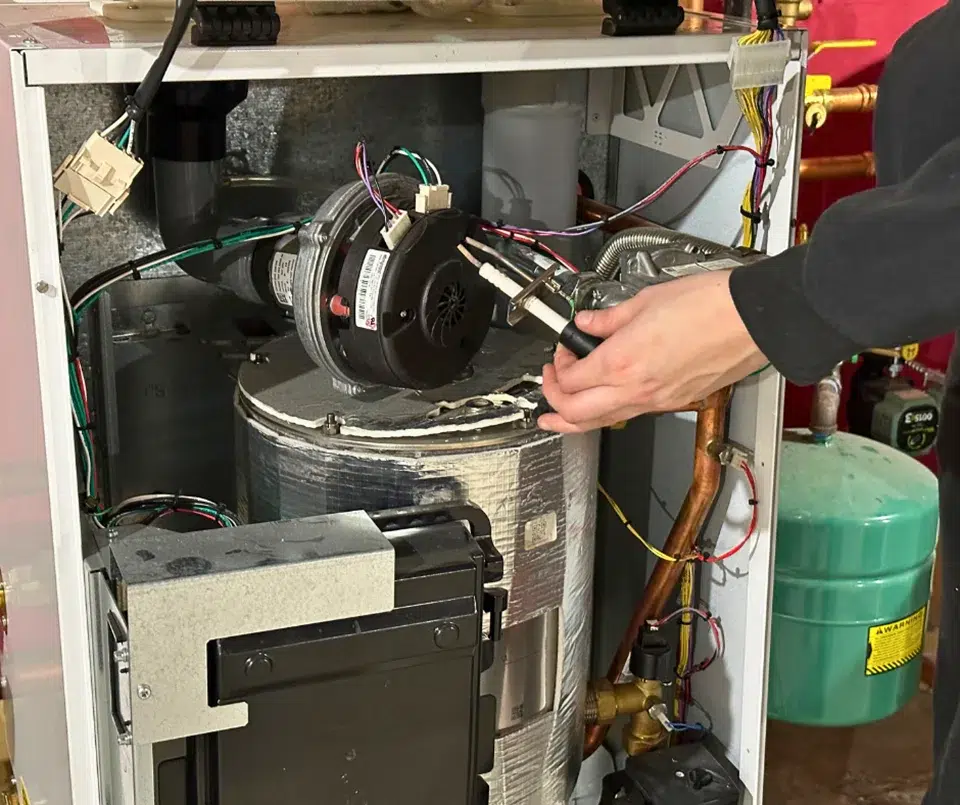
Most homeowners don’t think much about their heating or cooling system until it stops working, usually on the coldest morning of the year or in the middle of an August heat wave. At G&C Plumbing & Heating, we’ve responded to a lot of those calls. And in most cases, the signs were there well before the breakdown.
Understanding how long your system should realistically last, and what shortens that lifespan here in Massachusetts, helps you plan ahead with your Franklin HVAC instead of scrambling.
How Long Each System Type Actually Lasts
Massachusetts is hard on HVAC equipment. We run our heating systems for five or six months straight, ask our cooling systems to manage serious humidity in summer, and deal with freeze-thaw cycles that stress everything in between. That means realistic lifespan estimates here can skew shorter than national averages you’ll find online.
Furnaces: 15–20 years
A well-maintained gas or oil furnace typically lasts 15 to 20 years in New England. Gas furnaces in Franklin generally reach the higher end of that range. Oil furnaces can too, but only with consistent servicing. Neglected oil systems tend to accumulate soot and wear out faster. Electric furnaces often outlast both, though they’re less common in this part of Massachusetts.
One thing that shortens furnace life quickly: running a system that was improperly sized at installation. An oversized furnace short-cycles constantly, which accelerates wear on the heat exchanger and burner assembly. An undersized one runs almost continuously during cold snaps, which does the same thing.
Boilers: 20–30 years
Boilers in Franklin are the long-haulers of home heating. With fewer moving parts than forced-air systems, they tend to outlast furnaces by a meaningful margin. A well-maintained cast-iron boiler in a Franklin home can still be performing reliably at 25 or even 30 years.
What causes premature failure in older boilers is usually neglected maintenance: sediment buildup, corrosion in the pipes, pressure issues that were never addressed. Annual servicing catches these problems early and can add years to an already durable system.
Central Air Conditioners: 12–15 years
Cooling systems work hard during Massachusetts summers, contending with high humidity that forces them to run longer cycles than they would in drier climates. Expect 12 to 15 years from a Franklin central air conditioning system with regular maintenance. Without it, that number drops considerably.
Homeowners closer to the coast face an additional challenge: salt air accelerates corrosion on condenser coils and electrical components, which can shorten a system’s useful life without proper protective measures.
Heat Pumps: 12–20 years
Heat pumps run year-round rather than seasonally, which means more total operating hours than a furnace or AC alone. The lifespan range is wide for that reason. A cold-climate heat pump that was correctly sized, professionally installed, and regularly serviced can reach the high end of that range even in our winters. One that was undersized, improperly commissioned, or skips annual maintenance will fall well short of it.
What Actually Determines How Long Your System Lasts
Lifespan estimates are just averages. What you actually get out of your system comes down to a few specific factors.
Installation quality. This is the one homeowners underestimate most. An HVAC system that was incorrectly sized or poorly installed starts its life already compromised. Every heating and cooling system should be sized using a proper load calculation that accounts for your home’s square footage, insulation, windows, and layout, not just a rough estimate based on whatever was there before.
Maintenance history. The difference between a furnace that lasts 12 years and one that lasts 20 often comes down to whether it was serviced annually. Routine maintenance catches small problems, like a worn belt, a dirty flame sensor, or a refrigerant level that’s drifting, before they turn into expensive failures. Skipped tune-ups let those small problems compound quietly until something major gives out.
Your home’s specific conditions. Older Franklin homes come with their own set of challenges: undersized ductwork, poor insulation, additions that weren’t accounted for in the original system design. All of these force your equipment to work harder than it should, which shortens its life.
Signs Your System Is Getting Close to the End
Age alone isn’t always the deciding factor, but combined with any of the following, it usually is.
- Energy bills climbing with no change in usage. Aging systems lose efficiency gradually. When your gas or electric bills start rising without explanation, the equipment is often working harder to deliver the same result.
- Repairs becoming more frequent. One repair every few years is normal. Calling for service multiple times in a single season is a sign the system is breaking down in earnest.
- Uneven heating or cooling. Rooms that used to be comfortable are now too hot or too cold. This can point to a failing system, ductwork issues, or both.
- Unusual noises. Banging, rattling, or grinding that wasn’t there before signals mechanical wear that won’t resolve on its own.
- The system struggles in extreme weather. If your furnace can’t keep up during a January cold snap, or your AC runs constantly without cooling the house properly in August, the system is likely past its efficient operating range.
Repair or Replace?
When repairs are needed, the question is whether it makes more sense to fix the existing system or put that money toward a replacement.
A useful rule of thumb: if the repair cost is more than 50% of what a new system would cost, and the existing system is already in the second half of its expected lifespan, replacement is almost always the smarter financial decision. You’re paying significant money to extend the life of equipment that’s already running on borrowed time.
If the system is under 10 years old and the repair is a straightforward component issue, fixing it usually makes sense. The key is getting an honest assessment from someone who isn’t steering you toward a particular outcome.
Why Planning Ahead Saves Money
Waiting for a total system failure is the most expensive way to replace HVAC equipment. Emergency replacements in the middle of winter mean compressed timelines, limited equipment availability, and less time to evaluate your options. Homeowners who start thinking about replacement when their system hits 12 to 15 years have time to get multiple quotes, compare system types, and take advantage of Mass Save® rebates and financing that might not feel accessible under pressure.
The best time to call about a new installation is before you urgently need one.
How G&C Plumbing & Heating Can Help
We work on Franklin heating and cooling systems throughout Franklin and the surrounding communities. Some systems that look old on paper still have years of reliable life left. Others that aren’t particularly old have been run hard and maintained poorly and are genuinely near the end.
What we offer is a straight assessment: here’s what you have, here’s what we see, and here’s what we’d recommend and why. No pressure toward replacement if repairs make sense, and no prolonging a system that’s genuinely costing you more than it’s worth to keep running.
If your HVAC system is getting up there in age, or you’re seeing any of the warning signs above, it’s worth having someone take a look before things become urgent. Schedule a visit with G&C Plumbing & Heating and we’ll give you an honest picture of where things stand.
Trusted Plumbing & Heating Experts Serving Franklin and Surrounding Areas
We’re your neighbors here at G&C Plumbing & Heating, and nothing makes us prouder than keeping Franklin homes comfortable and functioning smoothly. Whether you’re dealing with a leaky pipe, a finicky furnace, or need a complete system upgrade, our friendly team of licensed professionals has been solving home comfort challenges all over town for years. We’ve built our reputation on honest work and straightforward solutions for all your plumbing and heating needs!
 All Service Areas


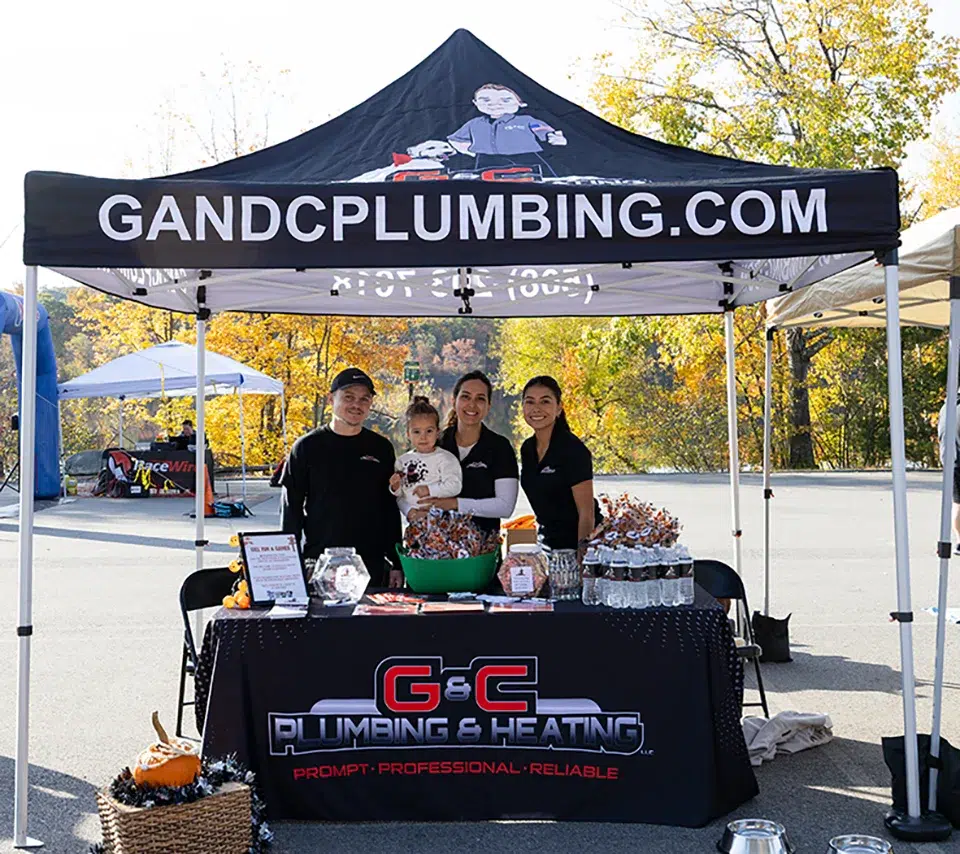
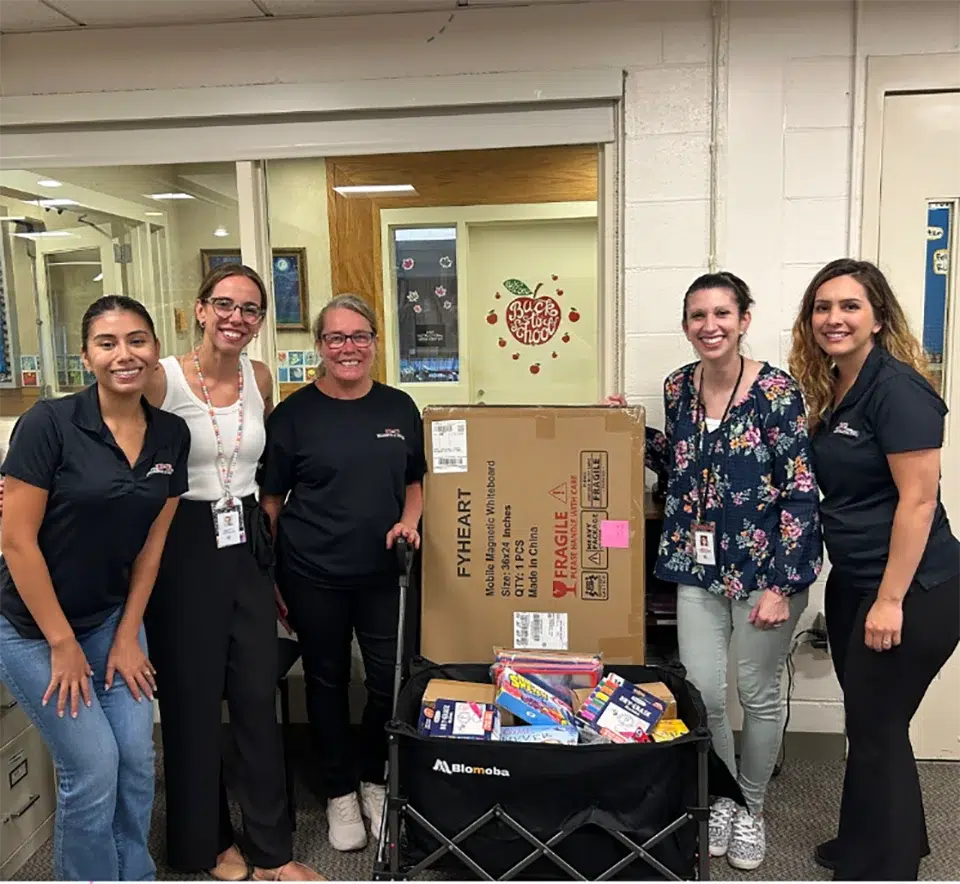
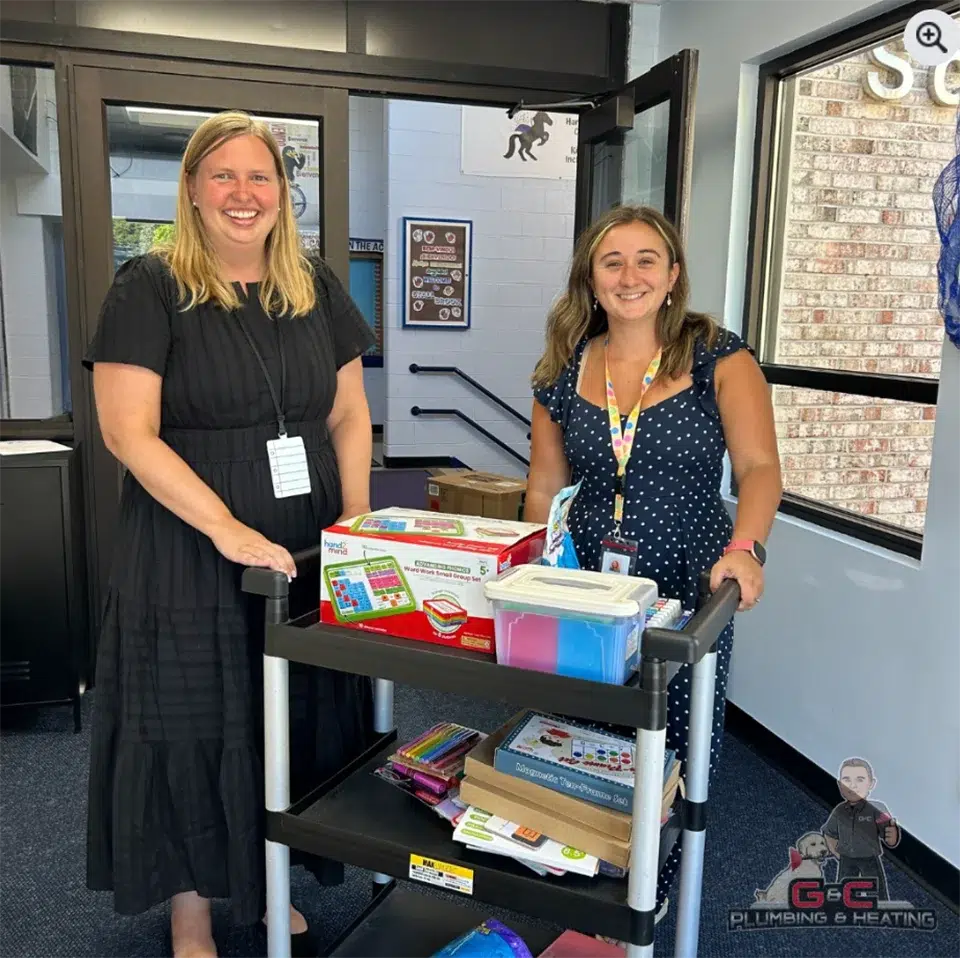
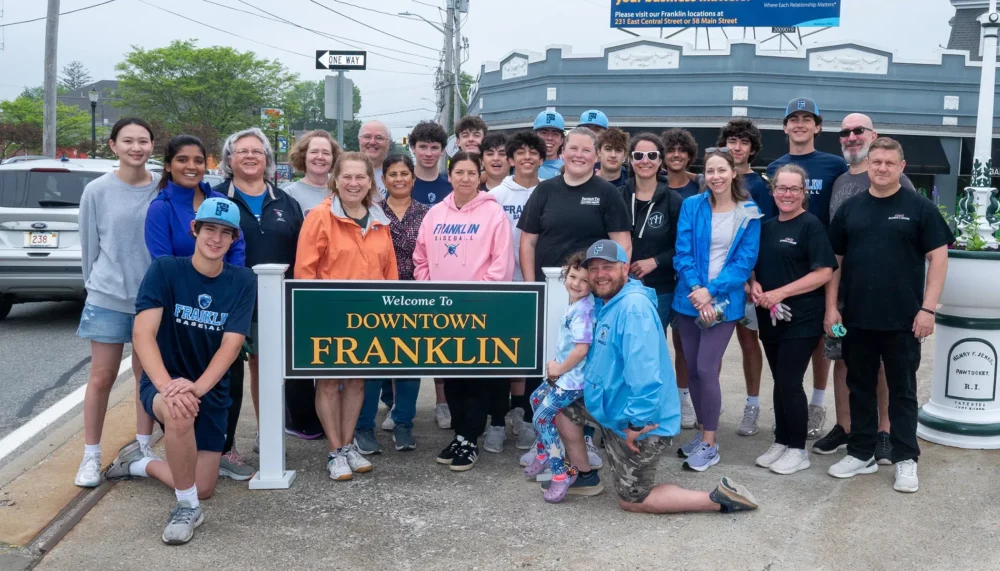
Rooted in the Franklin Community. Committed to Giving Back.
At G&C Plumbing & Heating, we’re not just here to fix leaks and install boilers—we’re proud to be part of the communities we serve. Whether we’re sponsoring local events, supporting youth programs, or showing up for neighbors in need, we believe in doing right by our town, both on and off the job.
Want to see what we’ve been up to lately?