
4.9 Star Rating | 1,763+ Google Reviews

4.9 Star Rating | 1,763+ Google Reviews
4.9 Star Rating | 1,763+ Google Reviews
The Difference Between Furnaces, Boilers, and Heat Pumps Explained
Big enough to tackle the toughest jobs, small enough to treat you like family.
A Homeowner’s Guide for Franklin, MA
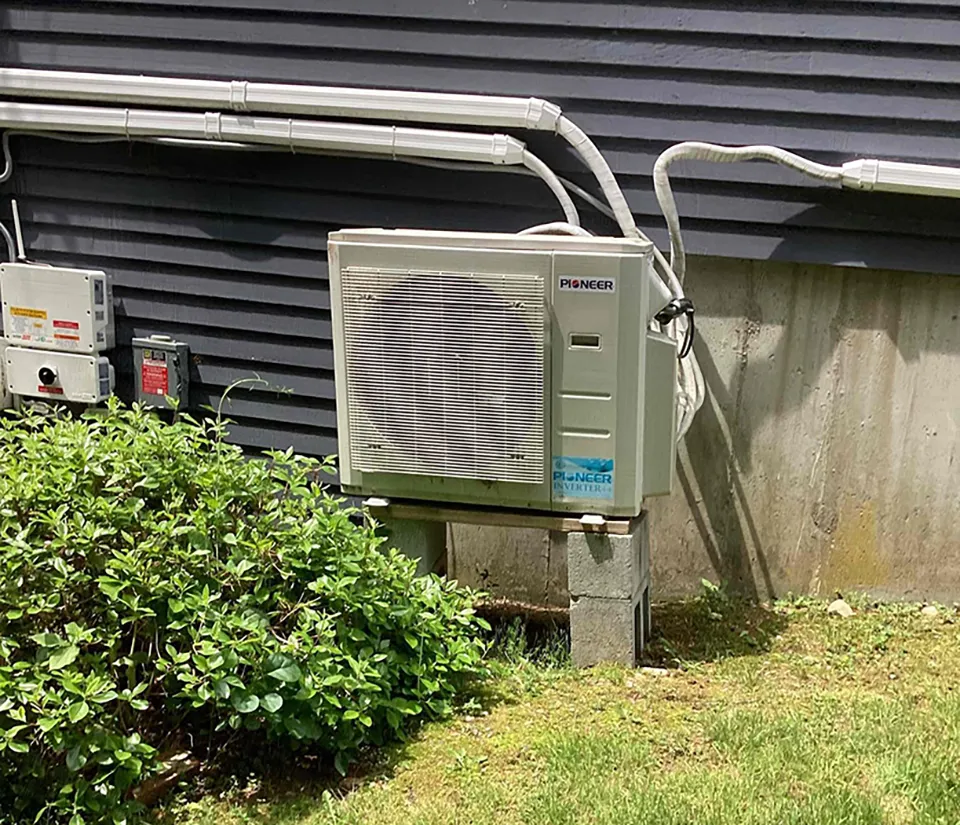
Walk into five different Franklin homes on a January morning and you’ll find at least three different ways they’re staying warm. Some have forced-air furnaces pushing heat through vents. Others have radiators quietly doing their thing. A growing number are running heat pumps that pull warmth straight from the frigid outdoor air, which still sounds impossible to a lot of people the first time they hear it.
If you’ve ever wondered what Franklin HVAC system you actually have, or which you should get next, this guide is for you. At G&C Plumbing & Heating, we work on all three types every day. Here’s what you need to know from our Franklin heating and air conditioning experts.
First, the Fundamental Difference
All three systems heat your home, but they work in completely different ways.
A furnace burns fuel to heat air, then pushes that air through ducts and out your vents. A boiler heats water and circulates it through radiators, baseboard heaters, or radiant floors. A heat pump uses the same basic technology as a refrigerator running in reverse, pulling heat from outdoor air and moving it inside rather than generating heat through combustion.
That distinction shapes everything else: how these systems feel, what you’ll pay to operate them, how long they’ll last, and what kind of comfort they deliver on a February night when temperatures dip into the single digits.
Furnaces: Fast Heat, Wide Availability
Furnaces are what most people picture: the metal box in the basement pushing warm air through ducts. They run on natural gas, propane, oil, or electricity and heat a space fast. Crank the thermostat up and within minutes you’re feeling warm air from the vents.
Natural gas furnaces in Franklin are the most common when gas lines are available. Oil and propane furnaces remain prevalent in older neighborhoods and rural areas without gas infrastructure, which covers a good portion of Franklin and the surrounding towns.
Works well when:
- You already have ductwork in decent shape
- You want heating and central AC running through the same system
- You need quick, strong heat output on brutal January nights
Watch out for:
- Dry indoor air. Forced air strips moisture from your home, and a whole-house humidifier adds cost and maintenance
- Uneven heat distribution in older Franklin homes, where duct layouts weren’t always designed with balance in mind
- Significant upfront expense if you need to install ductwork from scratch
Furnaces also have familiarity going for them. Most HVAC contractors know them inside and out, parts are widely available, and when something goes wrong, getting it fixed is usually straightforward.
Boilers: The System Franklin’s Older Homes Were Built For
If you have cast-iron radiators or baseboard heaters running along your walls, you have a boiler in Franklin. These hydronic heating systems are extremely common in older Franklin and Norfolk County homes, particularly anything built before 1960. Water heats up in the boiler, circulates through your pipes, and radiates warmth into each room quietly and consistently.
Many people who grew up with boiler heat swear they’ll never go back to forced air. That steady, even warmth is genuinely different from the hot-and-cold cycles of a furnace. It doesn’t dry out your home, doesn’t stir up dust and allergens, and operates so quietly you might forget it’s running. Radiant floor heating, where hot water runs through tubes beneath your floor, is the modern evolution of this technology and about as comfortable as home heating gets.
The tradeoff is that boilers are single-purpose. They heat your home well, but cooling requires a completely separate system.
Works well when:
- Your home already has radiator or baseboard infrastructure worth preserving
- Air quality or allergies are a concern in your household
- You value quiet, consistent heat over fast response time
Watch out for:
- Cooling requires a separate solution, whether that’s ductless mini-splits or window units
- Slower heat response if the house has gone cold
- Repairs require specialized hydronic knowledge, so finding the right contractor matters more than it does with a standard furnace
Heat Pumps: One System for Heating, Cooling, and Lower Bills
Heat pumps in Franklin work by extracting heat energy from outdoor air and concentrating it inside your home during winter. In summer, the process reverses to provide cooling. One system handles both, year-round.
But does it actually work in a New England winter?
This is where a lot of Massachusetts homeowners pump the brakes. The honest answer is yes, with the right equipment. Modern cold-climate models have come a long way from older units that struggled below freezing. Today’s equipment works reliably down to around -15°F, which covers virtually every winter condition Franklin sees.
Why the efficiency numbers matter
Because heat pumps move heat rather than create it through combustion, they can deliver two to four times more heat energy than the electricity they consume. That efficiency gap is meaningful compared to a gas furnace, and it’s a significant advantage over expensive delivered fuels like propane or heating oil.
Two configurations worth knowing
Ducted systems integrate with your existing ductwork, similar to how a furnace works. Ductless mini-splits mount directly on walls with no ducts required. That second option has been a real solution for older Franklin homes with radiators and no ductwork, adding cooling and high-efficiency heating without tearing into walls or ceilings.
Don’t overlook the rebates
Mass Save® incentives make heat pumps especially worth considering right now. Depending on your installation, you could qualify for thousands of dollars back, plus access to special seasonal electric rates to keep winter heating costs in check.
Works well when:
- You want heating and cooling handled by one system
- You’re currently on expensive delivered fuels like propane or oil
- Your home lacks ductwork but needs a cooling solution too
Watch out for:
- Higher upfront cost compared to a basic furnace replacement
- During extended stretches of extreme cold, some systems lean on supplemental backup heat. Many Franklin homeowners keep their existing boiler or furnace as a hybrid safety net, which works well in practice
- Sizing and installation quality are critical. An undersized unit will underperform exactly when you need it most
So Which One Actually Makes Sense for Your Home?
A few questions cut through a lot of the noise:
- Do you have ductwork in decent shape? If yes, a furnace or ducted heat pump slots right in. If not, a boiler or ductless mini-splits avoid the mess and expense of duct installation entirely.
- Do you want air conditioning? A heat pump handles both heating and cooling. A boiler requires a completely separate cooling solution. If you’re currently relying on window units and want a real upgrade, a heat pump is worth a hard look.
- What fuel are you on? If you’re buying propane or heating oil at current prices, the long-term operating cost math often tilts toward a heat pump, even factoring in the higher upfront investment.
- How old is your current system? Anything pushing 15 or more years deserves a serious conversation before it fails on the coldest night of February. Planning ahead gives you time to make a smart decision rather than an urgent one.
Why You Want a Contractor Who Works with All Three
If your Franklin heating and cooling contractor only installs one type of system, you already know what they’re going to recommend. The advice you get is only as unbiased as the options on the table.
G&C Plumbing & Heating installs and services furnaces, boilers, and heat pumps throughout Franklin and the surrounding communities. The recommendation you get is based on your home and your situation, not our inventory or our comfort zone.
We start with your home’s specifics: what you have now, what’s working, what isn’t, your budget, and what matters most in terms of comfort and long-term costs. From new installations to annual maintenance to diagnosing a system that’s acting up mid-winter, we’ve been doing this work in Franklin homes long enough to know what actually performs here.
Ready to figure out the right fit? Schedule a consultation with G&C Plumbing & Heating and we’ll give you a straight answer.
Trusted Plumbing & Heating Experts Serving Franklin and Surrounding Areas
We’re your neighbors here at G&C Plumbing & Heating, and nothing makes us prouder than keeping Franklin homes comfortable and functioning smoothly. Whether you’re dealing with a leaky pipe, a finicky furnace, or need a complete system upgrade, our friendly team of licensed professionals has been solving home comfort challenges all over town for years. We’ve built our reputation on honest work and straightforward solutions for all your plumbing and heating needs!
 All Service Areas


Rooted in the Franklin Community. Committed to Giving Back.
At G&C Plumbing & Heating, we’re not just here to fix leaks and install boilers—we’re proud to be part of the communities we serve. Whether we’re sponsoring local events, supporting youth programs, or showing up for neighbors in need, we believe in doing right by our town, both on and off the job.
Want to see what we’ve been up to lately?